
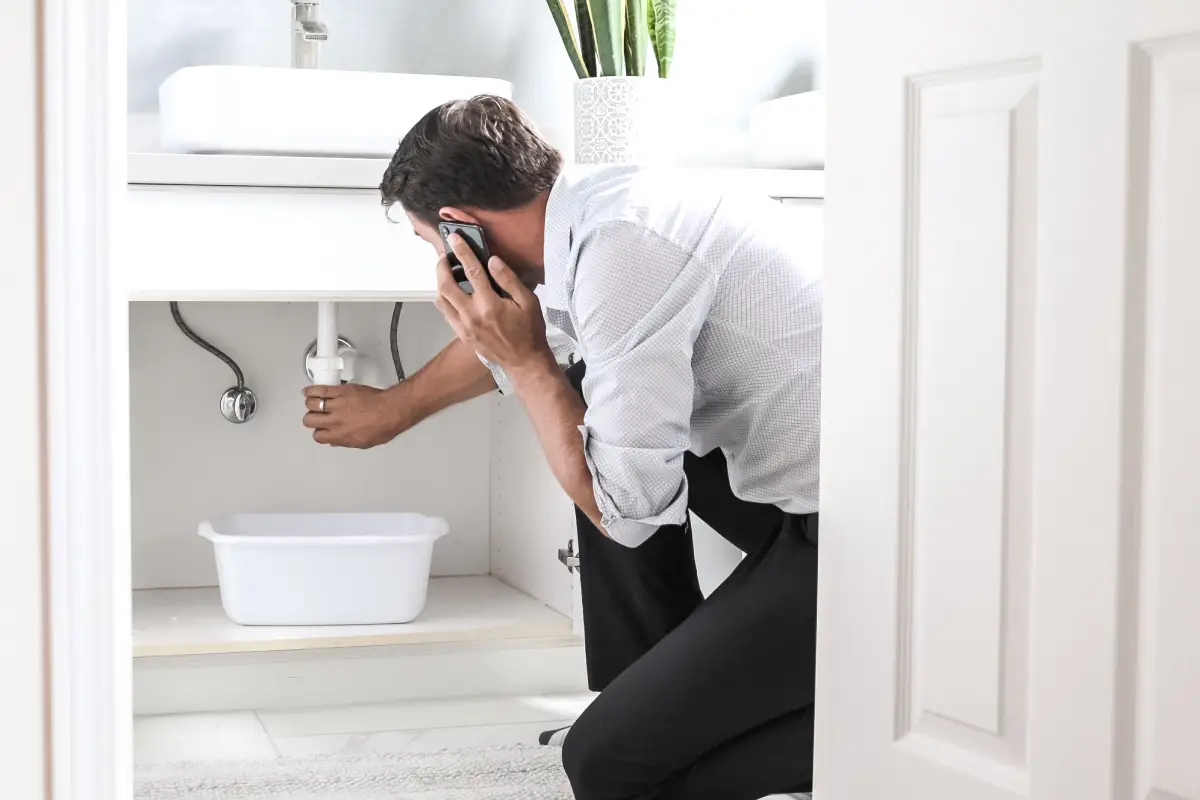
Ask any property owner about their last emergency repair, and they'll usually mention it happened out of nowhere. It rarely does. PMI SoJay Property Management helps South Jersey owners build a maintenance approach that actually holds up over time, instead of scrambling every time a system finally gives out.
Key Takeaways
- A repair that keeps recurring on the same component usually points to an aging system rather than chance.
- Tracking repair history over time reveals which systems are closest to needing replacement.
- Planning ahead for major replacements keeps costs predictable instead of reactive.
- A repeating issue left unaddressed tends to raise both repair bills and tenant complaints.
- Comparing ongoing repair costs against replacement costs is the clearest way to decide what comes next.
Repeat Repairs Point to Something Bigger Wearing Out
Roofs, plumbing systems, HVAC units, and water heaters all wear down eventually. Once that wear sets in, repairs on that system tend to cluster together instead of happening once and going away.
Patching one section of pipe doesn't restore an entire plumbing network built at the same time. Sealing one patch of roof doesn't undo years of weather exposure on the rest of it. When the same type of maintenance keeps showing up, the system is telling you it's near the end.
Components that commonly show this kind of repeat pattern include:
- HVAC equipment
- Water heaters
- Plumbing lines
- Roofing materials
- Exterior siding
- Windows and doors
Once a system needs attention more than once or twice within a short window, replacing it usually becomes the smarter move financially.
The Damage You Won't See Until It's Further Along
A lot of property wear starts somewhere hidden, behind a wall, under the flooring, deep inside a mechanical unit, long before it becomes a visible problem. By the time a tenant reports a stain or a slow drain, the underlying issue has often been developing for months.
Nationally, the median age of owner-occupied homes is 41 years, according to Census Bureau data. A large share of the country's rental housing carries decades of accumulated wear as a result. Here's how that tends to surface by system.
Aging plumbing usually produces repeat leaks from corrosion spreading through the network, not from one bad fitting. Aging roofing shows up as recurring leaks tied to worn flashing or shingles near the end of their service life. Aging HVAC systems reveal themselves through dropping efficiency, worn motors, or failing compressors. Aging windows tend to let in drafts and moisture once their seals give out.
Looking at the root cause instead of the latest symptom saves owners from paying for the same repair repeatedly.
Knowing When Repairs Stop Paying Off
Small repairs make sense while a system is still structurally sound. That math flips once ongoing repairs start costing more than a full replacement would. A few signs tend to show up before that point.
If a contractor keeps coming back every few months for a similar problem, the system itself is usually at fault, not the specific part that just failed. Every repair carries its own labor, materials, and scheduling costs, and those pile up fast. Emergency calls run especially high since they often involve after-hours rates. Left unresolved, the slow build described in how South Jersey rentals can drift toward a rough year often traces right back to these ignored repair patterns.
Before signing off on another short-term fix, it's worth totaling what keeping the aging system running actually costs.
A Full Repair History Tells a Story One Ticket Can't
A single maintenance request only shows part of the picture. A complete repair history, tracked over months or years, gives owners a much clearer read on how every major system is holding up.
The Joint Center for Housing Studies of Harvard University estimated that homeowners spent roughly $503 billion in 2024 on remodeling and repair work nationwide. That figure reflects how much upkeep the country's aging housing stock actually demands. Reviewing your own records for patterns, plumbing leaks recurring in the same spot, HVAC repairs surfacing every year before a seasonal shift, or appliances failing more often than expected helps you plan ahead instead of reacting after something breaks.
Letting Repair Data Decide What Gets Upgraded First
Every rental eventually needs a major upgrade, and the harder question is usually which project comes first. A repeated repair pattern gives owners real data to answer that instead of guessing.
Properties that stand out to renters tend to do so because they run smoothly, which is part of what makes turning a rental into a family favorite in South Jersey so tied to addressing aging systems early rather than letting them linger. When weighing what to tackle first, compare ongoing repair costs against full replacement pricing, factor in how much useful life a system likely has left, and consider how much a failing system affects your residents day to day. Whichever system scores the worst across those three factors should move to the top of the list.
Getting Ahead of Failure Costs Less Than Waiting for It
Waiting until a system fails completely almost always costs more in repair bills, in property damage, and in tenant frustration. Owners who lean on full-service property management often catch these patterns sooner simply because someone is tracking the details consistently.
Staying proactive generally means annual checks on major systems, seasonal HVAC servicing, roof evaluations, and plumbing assessments on a set schedule. A free rental analysis can help confirm whether your current repair pattern points toward a bigger investment need.
Why Local Oversight Makes the Difference
Recurring repairs call for more than a fast response every time something breaks. They call for informed decisions built on real data and consistent tracking. Running the numbers through a return on investment tool can clarify whether a repair or a full replacement makes more financial sense for a given system, and owners can lean on our resources built for property owners to better understand what's expected of them.
At PMI SoJay Property Management, we track repair histories, coordinate qualified vendors, and keep owners informed at every stage. Our goal is to help you tell the difference between routine upkeep and a system that's genuinely reaching the end of its life, so your budgeting stays grounded and your property stays reliable for the people living in it.
FAQs about Recurring Repairs in South Jersey, NJ
Does the type of tenant I rent to affect how often repairs come up?
Sometimes. Longer-term tenants tend to report issues earlier since they're familiar with the property, while frequent turnover can mean small problems go unreported until they grow into bigger, costlier repairs.
Can I schedule preventive maintenance around a tenant's lease renewal date?
Yes, and it's a smart approach. Timing inspections and servicing around renewal periods gives you a natural checkpoint to catch wear before it becomes a mid-lease emergency call.
How do I decide whether a repair issue is urgent or can wait a few weeks?
Safety and water intrusion issues need immediate attention, while cosmetic or minor efficiency problems can usually wait. When in doubt, a quick professional assessment helps you prioritize correctly.
Does keeping detailed repair records help if I ever dispute a vendor's invoice?
It does. Clear records showing repair frequency and prior work give you leverage if a vendor's pricing or diagnosis seems inconsistent with the property's actual maintenance history.
Is there a downside to replacing a system earlier than strictly necessary?
The main tradeoff is upfront cost, since replacing before a system fully fails means spending before you're forced to. Many owners find the predictability worth that earlier expense.
Your Property Has Been Keeping Score
Every ignored repair adds up somewhere, whether it's in tenant complaints, rising bills, or a system finally giving out at the worst possible time. PMI SoJay Property Management helps South Jersey owners read that score before it turns into a bigger problem. Reach out to start a maintenance evaluation and get a clear picture of what your property's repair history is pointing toward.
