
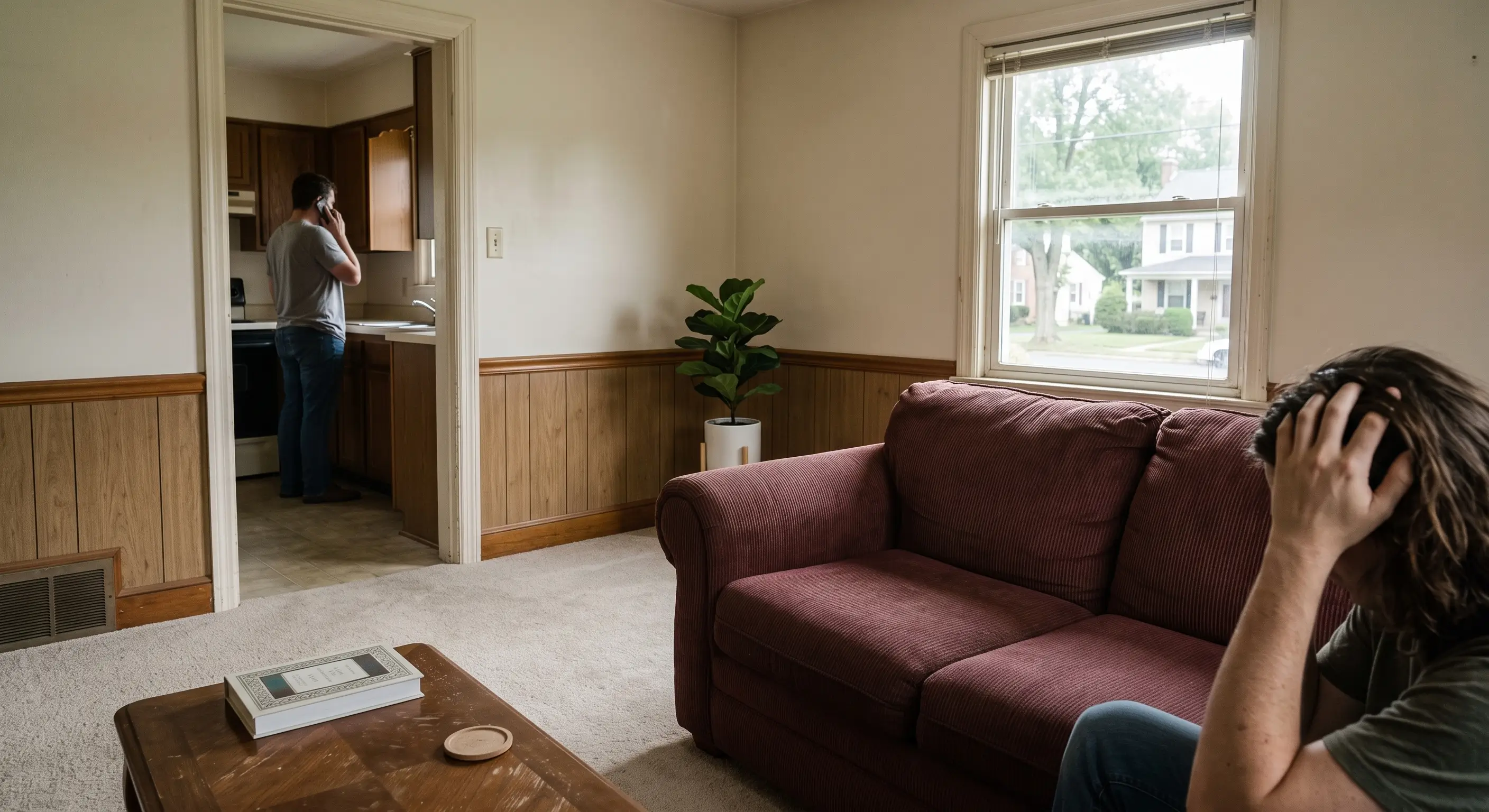
A tenant asks for a few extra days to pay rent, and the owner agrees without writing anything down. PMI SoJay Property Management has seen that single unrecorded exception turn into a much bigger headache more often than most owners would guess, and reviewing why eviction services are worth the investment often makes that connection clear.
Key Takeaways
- Small, unaddressed rental issues often grow into eviction filings and lost income.
- Maintenance delays are one of the clearest early warning signs owners overlook.
- Weak screening at move-in makes later conflicts more likely and harder to resolve.
- Consistent documentation strengthens an owner's position if a dispute ever reaches court.
- Professional oversight catches these patterns early, protecting the property and the bottom line.
Late Rent Payments That Go Unaddressed for Too Long
A tenant misses a payment, and the owner extends the benefit of the doubt. It happens again the next month, and by the time the pattern is undeniable, months of unpaid rent have piled up. New Jersey has procedural requirements for removing a tenant, and skipping a step early can delay a case for months.
A more reliable approach follows a consistent sequence:
- Send written notice immediately after the due date passes, rather than a verbal reminder.
- Log every missed payment, partial payment, and promise to pay in a dated record.
- Apply the same notice timeline to every tenant, without exceptions.
- Escalate to formal legal notice once a defined threshold, such as two missed payments, has been reached.
Nationally, landlords filed 1.23 million eviction cases in 2025 across the tracked cities and states, and many of those filings began with exactly this kind of overlooked late payment.
Minor Lease Violations Owners Choose Not to Enforce
An unauthorized pet, an extra occupant, or a repeated parking violation might feel minor in isolation, but each one that goes unaddressed makes the next violation easier for a tenant to justify. Over time, these small compromises stack up until an owner is dealing with a tenant who has stopped following the lease altogether.
New owners tend to run into this pattern the most. Our guide covering essential tips for first-time landlords walks through why establishing enforcement habits early prevents a lot of the confusion that shows up later.
Maintenance Requests That Sit for Weeks Without Follow-Up
A maintenance request that sits for weeks rarely stays a small problem. Delayed repairs compound, turning a manageable fix into a costly one and straining the trust between owner and tenant.
A Small Roof Leak Reported and Then Forgotten
A tenant mentions a water stain on the ceiling, and the request never gets scheduled. Weeks later, the drywall is soft, and the quick patch has turned into a repair involving insulation and possible mold remediation.
An HVAC Complaint Pushed to Next Week
A tenant reports weak air conditioning in early summer, and the owner assumes it can wait. By the time a technician arrives, the unit has failed during a heat wave, turning a routine service call into an emergency repair.
A Running Toilet or Dripping Faucet Left Unaddressed
These issues rarely feel urgent, so they sit. A running toilet wastes water and inflates utility bills, while a slow drip can damage flooring or cabinetry underneath. A five-minute fix becomes a multi-day repair once nearby materials are affected.
- Response delays give tenants a documented reason to question your attentiveness later.
- Smaller repairs left alone tend to affect the materials and systems surrounding them.
- Owners without a structured maintenance system have no record of how requests were handled.
Tenant Screening Shortcuts Taken Before Move-In
Many of the problems owners deal with later actually trace back to decisions made before a tenant ever moved in. A rushed application review can put a difficult tenant in a property, and that difficulty tends to surface gradually, often months into the lease when it's much harder to address.
Understanding what a tenant background check actually covers helps owners see where shortcuts at move-in create risk later. Industry data reinforces the cost of moving too fast at any stage of the process, with one benchmark finding that general maintenance requests took a median of 14.8 days to close across the single-family rental sector, giving small issues plenty of time to grow.
Owner-Managed Properties Without Consistent Oversight
A less obvious but equally common pattern is simply the absence of consistent tracking. Owners managing on their own often don't notice a problem until it's already serious.
- Payment records get kept in a notebook or scattered texts, making a missed payment easy to forget.
- Maintenance requests come in by phone with no written log, leaving no record of how long an issue has been open.
- Lease violations get noticed but never documented, leaving nothing to point to later in a dispute.
- Communication happens inconsistently across text and email, creating gaps that are easy to overlook.
Professional oversight closes that gap. PMI SoJay Property Management continuously tracks payment history, maintenance requests, and lease compliance, so small issues get flagged while they're still manageable. Owners who want a clearer picture of where those gaps currently sit can start with a free rental analysis, backed by service guarantees that hold that process accountable.
FAQs about Escalation Patterns in South Jersey, NJ
How do I handle a tenant who has a good excuse for every late payment?
Excuses don't change the need for documentation. Log each occurrence regardless of the reason given, since a pattern of late payments matters more for future decisions than any individual explanation a tenant provides.
Does a property's condition at move-in affect how quickly issues escalate later?
It can. Properties with unresolved cosmetic or minor mechanical issues at move-in sometimes see tenants normalize neglect faster, since the baseline for acceptable condition already feels lower than it should.
What's the risk of only enforcing lease terms when a tenant complains about something else?
Selective enforcement tied to unrelated complaints can look retaliatory, even unintentionally. Address violations on their own timeline rather than waiting for an unrelated dispute to justify bringing them up.
How much does a tenant's communication style matter when tracking potential issues?
A shift toward defensiveness or avoidance in communication often precedes a larger issue. Noting these changes alongside factual records like payments and maintenance requests gives a fuller picture of where things stand.
Should I treat a roommate situation differently than a single-tenant lease when enforcing rules?
The lease terms should apply the same way regardless of how many people live in the unit. Roommate dynamics can complicate communication, but enforcement standards need to stay consistent to hold up later.
Making Oversight Part of the Everyday Routine
Most owners don't lack the ability to spot a problem; they lack a system that surfaces it before it's already costly. PMI SoJay Property Management exists to close exactly that gap, keeping tabs on the details so nothing sits unnoticed for weeks.
When a tenant situation has moved past what a conversation can fix, start your eviction case with a team that already knows the full history behind it.
