
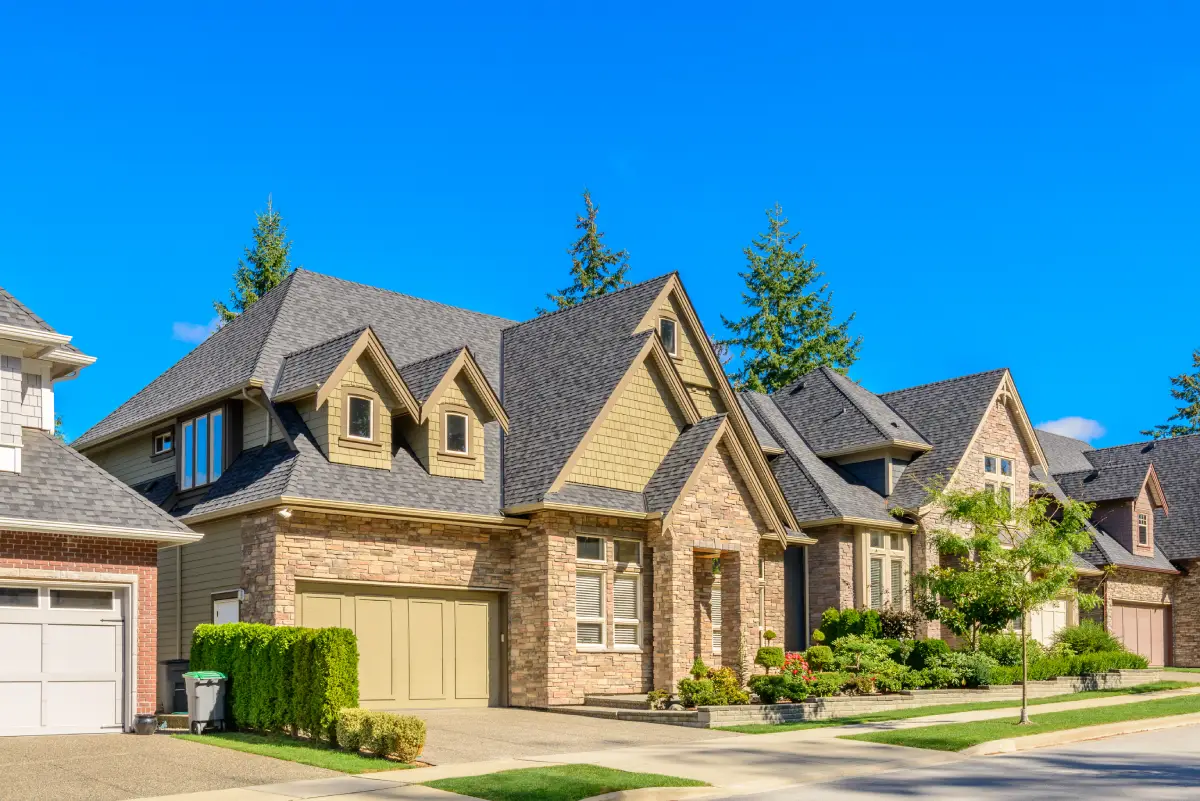
When the chill settles across South Jersey, property owners face an entirely new maintenance season. What looks like light snowfall can quickly turn into ice buildup, plumbing issues, and heating emergencies if you’re unprepared. Winter success starts long before the first freeze. A well-organized plan helps protect your investments and maintain strong relationships with your tenants. If you want extra protection, our home watch services provide reliable monitoring to keep your properties safe while you focus on other priorities.
Key Takeaways
- Perform early inspections to identify and fix cold-weather risks.
- Schedule annual heating maintenance for efficient operation.
- Insulate pipes and monitor temperatures to prevent freezing.
- Create snow and ice management plans to ensure tenant safety.
- Communicate seasonal guidelines clearly and early.
Build a Reliable Winter Maintenance Strategy
South Jersey winters can shift from mild to freezing in days. A well-structured plan makes it easier to stay organized and minimize surprises when cold weather hits. Dividing your approach into clear phases keeps your maintenance process efficient.
Step 1: Inspect the Property Thoroughly
Start your winter prep with a complete inspection of each rental unit. Examine exterior walls, windows, and doors for drafts. Check attics, crawl spaces, and basements for insulation gaps. Run heating systems to confirm they’re functioning properly and producing even warmth throughout every room. Pay special attention to areas where cold air tends to sneak in, such as near vents or under door frames.
Small issues like worn seals or minor leaks may not seem urgent now, but they can escalate quickly once temperatures fall. Taking time to evaluate your property in detail gives you a head start against unexpected winter repairs.
Step 2: Make Timely Repairs
Once you’ve identified weak points, act quickly. Replace broken seals, clean out gutters, and ensure that all outdoor lighting is in working order. Poor exterior lighting becomes a hazard when snow or ice accumulates, especially near parking areas or walkways.
Repair or replace old weather stripping and fill cracks where heat might escape. These simple steps reduce strain on heating systems and help tenants stay comfortable while lowering overall energy costs.
Step 3: Focus on Preventive Upgrades
A few targeted upgrades can save you thousands in long-term maintenance. Add pipe insulation to vulnerable areas, install programmable thermostats, and remind tenants to maintain a steady heat level during the coldest days. These preventive actions help stabilize indoor temperatures and protect against frozen plumbing.
Keep Heating Systems Reliable and Efficient
Few things create tenant frustration faster than a malfunctioning heater in mid-January. Schedule annual servicing for your HVAC systems before the coldest days arrive. Have a professional clean or replace filters, inspect burners, and calibrate thermostats to ensure consistent operation.
Older systems tend to consume more energy and break down more frequently. If your equipment is nearing the end of its lifespan, upgrading to a newer, energy-efficient model can reduce long-term expenses and improve property value. To simplify your upkeep, check out our service guarantees, which are designed to keep your rentals running smoothly across every season.
Safeguard Plumbing from Freezing
Frozen pipes are a landlord’s worst winter nightmare. A burst pipe can lead to extensive water damage within hours. Fortunately, prevention is straightforward when handled early.
Tips to Prevent Frozen Pipes:
- Insulate all exposed pipes, especially those in attics, basements, or garages.
- Maintain thermostat settings at a minimum of 55°F in all units.
- Ask tenants to open under-sink cabinets during frigid nights to allow warm air to circulate.
- Allow faucets to drip slowly during freezing temperatures to relieve pressure.
Encourage tenants to locate and understand their unit’s main water shutoff valve. In an emergency, this quick knowledge can prevent major flooding and reduce repair costs significantly.
Inspect Roofs and Gutters Before the Snow Arrives
Snow and freezing rain can place tremendous weight on roofing systems. Schedule roof inspections in early winter to identify any signs of wear, such as cracked shingles, damaged flashing, or sagging areas. Clean gutters and downspouts thoroughly to prevent water from freezing and backing up beneath the roofline.
If your properties are older, reinforce attic insulation. Proper insulation helps balance indoor temperatures, reduces heating costs, and minimizes the likelihood of roof damage caused by ice dams. Taking care of these details now will make the rest of the winter easier to manage.
Improve Energy Efficiency and Tenant Comfort
Improving efficiency is about ensuring long-term property health. Even small changes can reduce waste and create a more comfortable environment for tenants.
Easy Energy Improvements:
- Seal air leaks around vents and wall openings.
- Install weather stripping along door frames.
- Use heavy, insulated curtains to retain interior warmth.
- Upgrade insulation in attics, walls, and crawl spaces.
Energy-efficient properties attract reliable tenants and require fewer maintenance calls. The result is a safer, more sustainable rental operation that performs well through every season.
Maintain Outdoor Safety and Accessibility
Snow and ice accumulation can turn sidewalks and driveways into potential hazards. Create a snow removal schedule before the season begins, and contract trusted local vendors to handle cleanups quickly after each storm.
Always use de-icers that are safe for both pets and concrete surfaces. Replace burned-out bulbs along pathways and entryways to maintain strong visibility at night. These simple measures show tenants that you prioritize their safety and help reduce potential liability claims. For trusted maintenance tips and vendor coordination, explore our South Jersey landlord guide.
Keep an Eye on Vacant Units
Vacant homes require special attention during winter. Without regular checks, a minor issue like a slow leak or loss of heat can escalate quickly. Schedule weekly visits or install smart sensors that alert you when temperatures fall too low.
Our professional home watch program gives South Jersey landlords confidence that their properties remain protected, no matter the weather. Consistent oversight helps prevent costly repairs and maintains your property’s long-term condition.
Communicate Clear Winter Guidelines with Tenants
Good communication prevents confusion and reduces emergency calls. Send your tenants a short winter preparation guide outlining essential safety steps and maintenance reminders.
Include the Following in Your Tenant Notice:
- Emergency contact numbers for urgent maintenance.
- Safe heating and thermostat use instructions.
- Steps for reporting leaks, outages, or frozen pipes.
- Snow removal policies and parking procedures.
When tenants know exactly what to do, property management runs smoothly, and emergencies are easier to handle.
FAQs about Winter Rental Preparation in South Jersey, NJ
When should property owners begin preparing their rentals for winter?
The best time to start is in early October, giving enough lead time to schedule inspections, order materials, and complete repairs before freezing weather arrives.
How can landlords prevent excessive energy use during cold months?
Encourage tenants to keep thermostats at consistent levels, replace HVAC filters regularly, and close curtains at night to retain warmth.
What maintenance task is most commonly overlooked in winter?
Gutter cleaning often gets neglected, but clogged gutters can cause ice buildup and lead to roof leaks when snow begins to melt.
Are space heaters safe for tenants to use in rental properties?
They can be but remind tenants to keep them away from flammable materials and to never leave them running unattended.
How often should property owners check vacant homes during winter?
Weekly check-ins are ideal, especially after heavy snow or a power outage, to ensure systems are working and no leaks have occurred.
Keep Your Rentals Strong Through Every South Jersey Winter
Winter maintenance is less about reacting and more about staying prepared. With the right systems in place, you can protect your investment, keep tenants happy, and avoid unnecessary costs. At PMI SoJay Property Management, we specialize in helping South Jersey landlords manage seasonal challenges efficiently. Secure your success this winter and upgrade your property’s care plan with support from our experienced local team.
